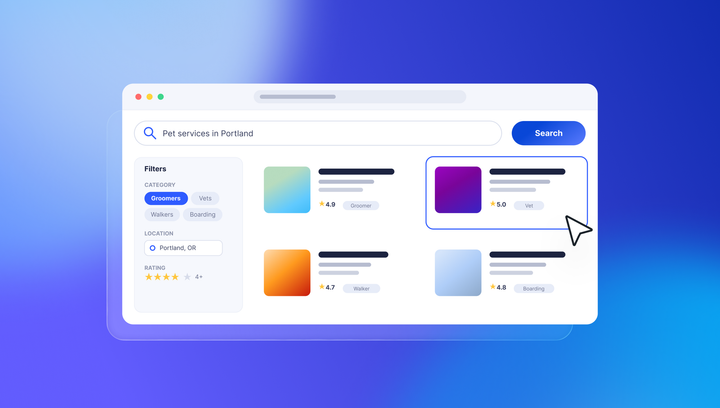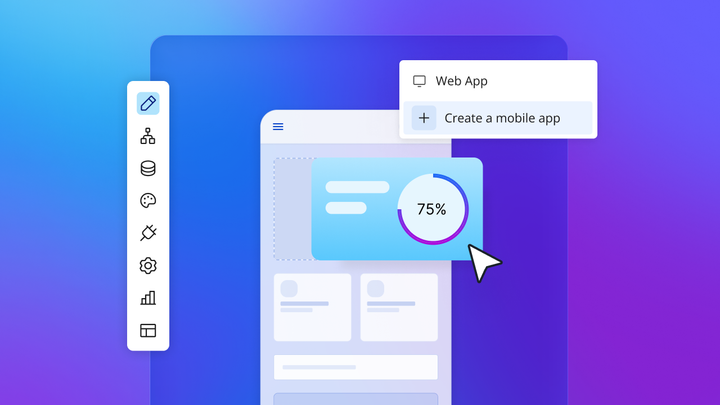

TL;DR: Bubble is a no-code, AI-powered platform for building web apps, native mobile apps, and websites without writing code. Its 6 million builders use it to launch AI tools, marketplaces, and SaaS platforms, often faster and cheaper than traditional development.
Speed matters when you’re building a startup, but speed without control creates more problems than it solves.
If you want to build and launch a digital product yourself, without hiring someone to code and maintain it, Bubble can get you there. It’s the only fully visual AI app builder that lets you vibe code without the code to launch real apps to real users. Chat with AI when you want speed, edit directly when you want precision, and see exactly how everything works.
Bubble can handle just about any web or native mobile app you can imagine, from marketplaces and internal tools to SaaS products and AI-powered apps. Below, you’ll find the most popular types of apps you can build, with real examples from Bubble’s 6 million builders.
What is a no-code app?
A no-code app is a fully functional application built visually, not with code. Builders drag and drop interfaces and connect workflows to bring their app to life without needing a technical background or an engineering team.
With a full-stack platform like Bubble, you can build complex workflows, user accounts, payment integrations, and databases that scale. Every workflow and rule stays visual and editable, so nothing’s buried in code you can’t see.
What you can build without code
With Bubble, you generate an app foundation with AI, then refine the design, data, workflows, integrations, and deployment yourself, all through the same visual platform. You’ll always see exactly how each piece works.
- Design your app’s look and feel. Let Bubble AI generate it, then customize with the Bubble AI Agent (beta) or the visual design tools.
- Create functionality for your app. Bubble AI can generate the logic rules that power it, or you can build the steps yourself on a canvas.
- Organize and manage your app’s data. Bubble AI can help structure your database, and Bubble’s visual privacy-rule tools let you control access to sensitive data.
You can integrate with other tools in your tech stack (like Slack or calendar apps) via plugins and APIs. The Bubble AI Agent can help configure API calls, install or remove plugins, and explain complex setups step-by-step as you build.
What you can build on Bubble breaks down into three main types: websites, web apps, and native mobile apps.
Websites
People often use “website” to describe any web-based software, but a website presents information, while a web app lets users take action.
Minimum Studio built its own site on Bubble using nothing but the visual editor, handling every animation, layout, and micro-interaction themselves. If you want to build something similar, here’s a guide to building a website on Bubble.
Web apps
A web app is interactive software that runs in your browser to help users take action instead of just scrolling. To-do list managers, CRMs, and social platforms are common examples.
Bubble AI can generate a working foundation of your app in minutes, including databases, workflows, and user accounts. From there, you can refine everything directly in the visual editor or use the Agent to keep making changes through chat. You can also connect AI models like ChatGPT and Claude through plugins or API connections.
Ringly and WriteHuman are two examples: Ringly runs AI-powered phone agents that handle business calls automatically, while WriteHuman helps businesses rewrite AI-generated text so it reads naturally.
Native mobile apps
Native mobile apps are apps you download from the App Store or Google Play and open directly on your phone. They’re built for a specific operating system (iOS or Android), so they can tap into gestures, push notifications, and other device features that browser-based apps can’t.
Bubble’s native mobile app builder is in public beta. A few of the apps built with it:
- ChurchSpace: An Airbnb-style marketplace connecting empty churches with event seekers, built three times faster and at a fraction of the cost of traditional development.
- Sentio: An AI-driven mental health app built by Idea Link, live in the Apple App Store.
Bubble AI generates the foundation for native iOS and Android apps which you then refine with the Agent or the visual editor. Since native and web apps share one platform and backend, you can reach more users without doing double the work.
When you’re ready, Bubble’s mobile publishing flow handles preparing and submitting your builds. Because these are true native builds, not a website wrapped to pass as one, they meet the same app-store performance and review standards as any other native app. You’ll still need your own Apple and Google developer accounts to publish.
No-code app examples built on Bubble
Bubble has powered 6 million builders to create more than 7 million apps across more than 220 countries and territories. Here are examples of what they’ve built.
| App type | What it does | Example built on Bubble |
|---|---|---|
| AI-powered tools | Apps with AI at the core — chatbots, data analysis, content generation | Formula Bot, Voicepen AI |
| Native mobile apps | iOS and Android apps published to the App Store and Google Play | ChurchSpace, Sentio |
| Custom marketplaces | Two-sided platforms with search, payments, and user accounts | Cuure, Design Match, CircleHome |
| Job boards | Searchable, filterable talent and opportunity platforms | Flexiple, Brands Meet Creators |
| Community and review sites | Forums, upvote systems, commenting, and content moderation | Deepwrk |
| Social networks | User profiles, feeds, messaging, and community features | Hampton, Nicheless |
| Personal finance tools | Budgeting, portfolio tracking, and banking integrations | Strabo |
| Educational tools | Course delivery, micro-learning, and progress tracking | GoodCourse |
| Internal tools and dashboards | Custom CRMs, admin panels, and reporting tools | Seagate Admin Console |
| SaaS apps | Subscription-based software with user accounts and recurring billing | My AskAI |
AI-powered tools
Thousands of Bubble-built apps already use AI at their core, whether that means a ChatGPT-style AI chatbot as the main feature or AI woven into just one part of a larger product. Either way, Bubble AI can generate the foundation, and the Agent helps you refine it from there.
Formula Bot
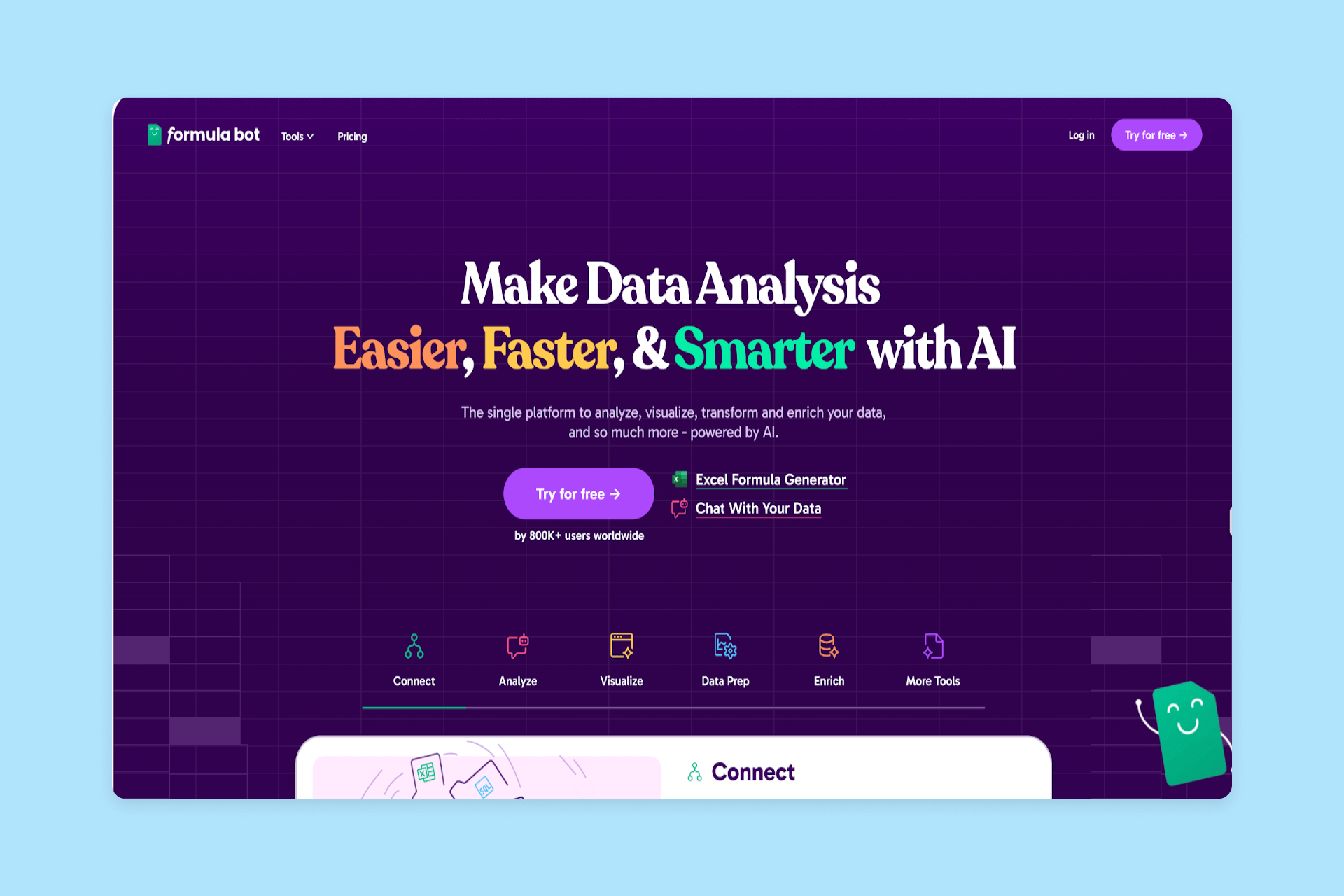
Formula Bot has grown to a large user base with a lean team.
Formula Bot takes on the tedious parts of spreadsheet work: prepping data, writing formulas, building charts. You can also just upload your data and ask it questions directly. No formulas required, AI digs through the data and gives you the answer.
Voicepen AI
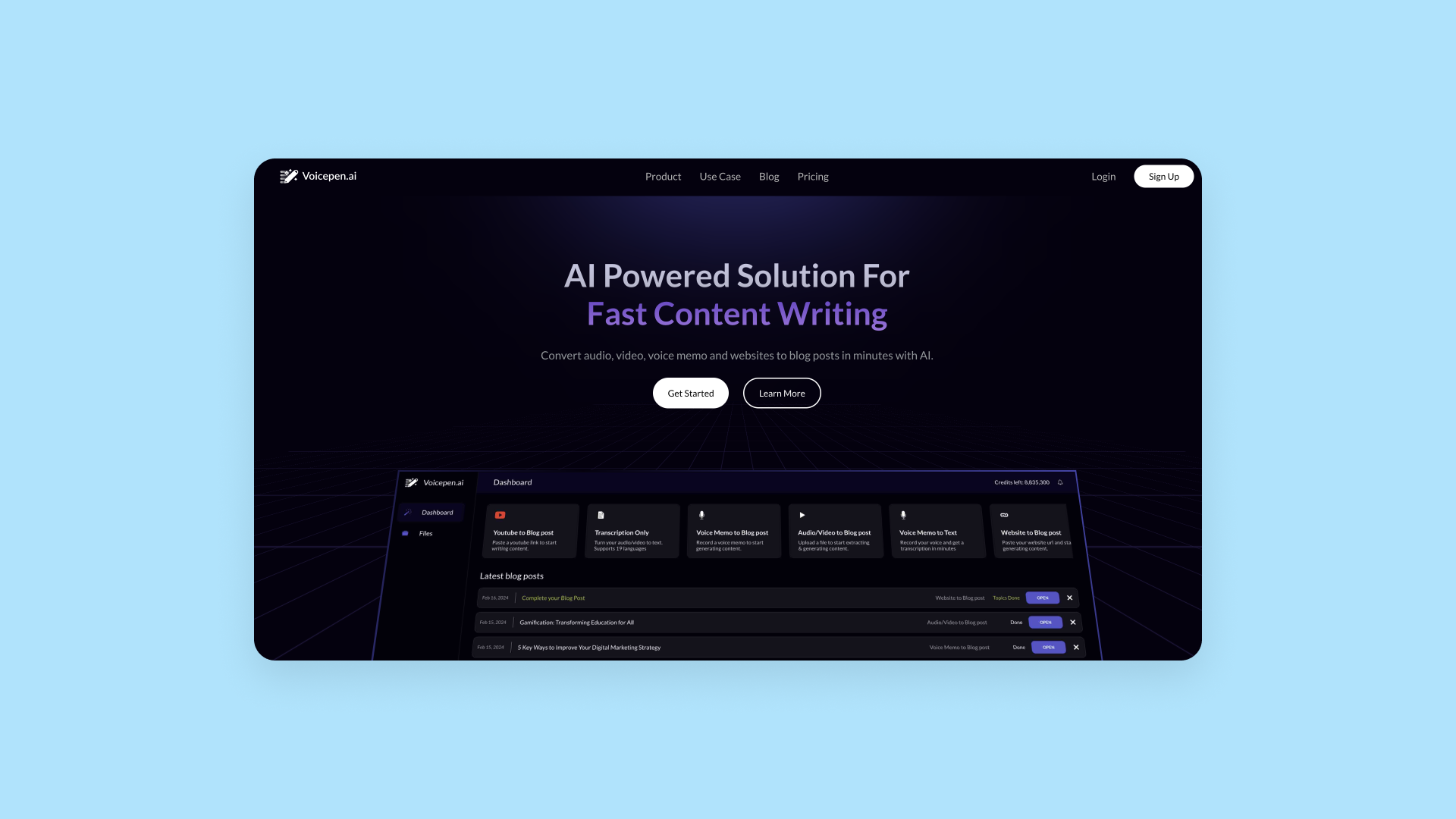
Voicepen AI transcribes videos and audio recordings into engaging written content, and can also turn a website into content ideas for your business. Voicepen AI uses speech-to-text and large language models to power transcription and content generation, and was built by Bubble Developer Marina Trajkovska.
Native mobile apps
Land
Land is an mobile climate-tech app. The app turns climate insights into straightforward, daily readings written in straightforward languageand generates personalized supply kit recommendations for users to track and act on. Its guiding motto: "acts, not fear."
Sentio
Sentio is an AI-driven mental health app available in the Apple App Store. Built by Idea Link on Bubble, it helps users track and understand their emotions through personalized support and insights. Bubble provides privacy-rule and security tools for apps that handle sensitive data, though you’ll still want to check your own legal and compliance requirements.
Custom marketplaces
Marketplaces and e-commerce platforms like Shopify will let you buy and sell just about anything. But highly specialized models, like a marketplace for NFTs or music lessons, often need more custom logic than a standard setup provides out of the box.
That’s where Bubble comes in. You get repeating groups and database tools to handle listings and search, plus built-in user accounts for multiple roles. You can also connect Stripe through plugins or APIs to accept one-off or recurring payments — the Stripe integration walkthrough walks you through it step by step.
If you’re just getting started, the complete guide to building a marketplace on Bubble has everything you need to bring your app to life quickly.
Cuure
Cuure is a great example of a custom marketplace built on Bubble.
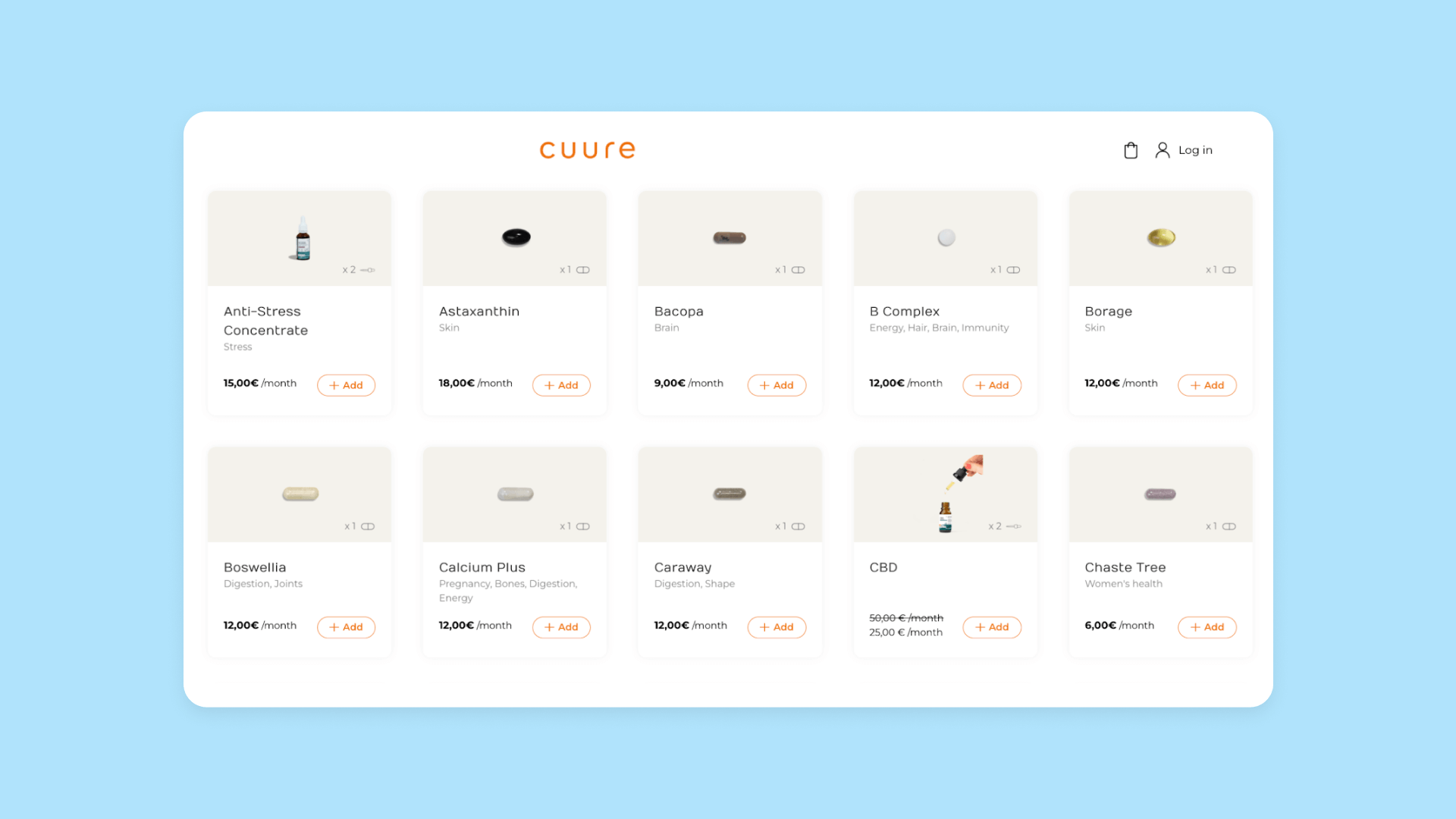
Cuure helps users find the right vitamins and supplements through a personalized assessment, something no off-the-shelf shopping engine could handle. So founder Jules Marcilhacy built Cuure’s initial marketplace on Bubble instead. Today, Bubble AI can generate that kind of foundation in minutes, leaving you to customize the algorithms and shopping experience visually.
Cuure has kept building and scaling on Bubble ever since.
Design Match
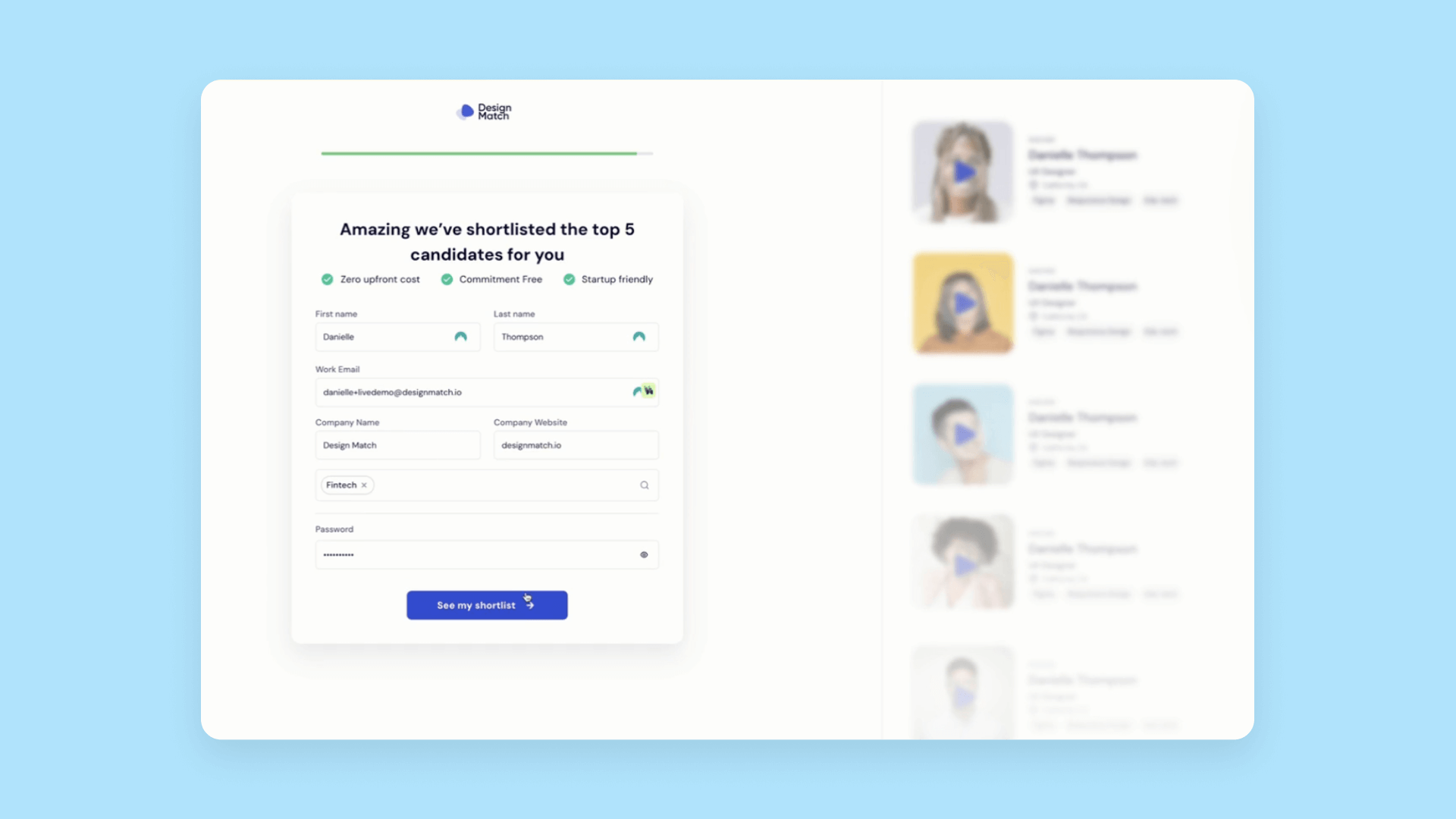
Design Match is another example of using Bubble to create a customized marketplace based on personalized recommendations.
With Design Match, founders can get matched with pre-vetted designers through a customized questionnaire based on their needs, budget, and industry.
CircleHome
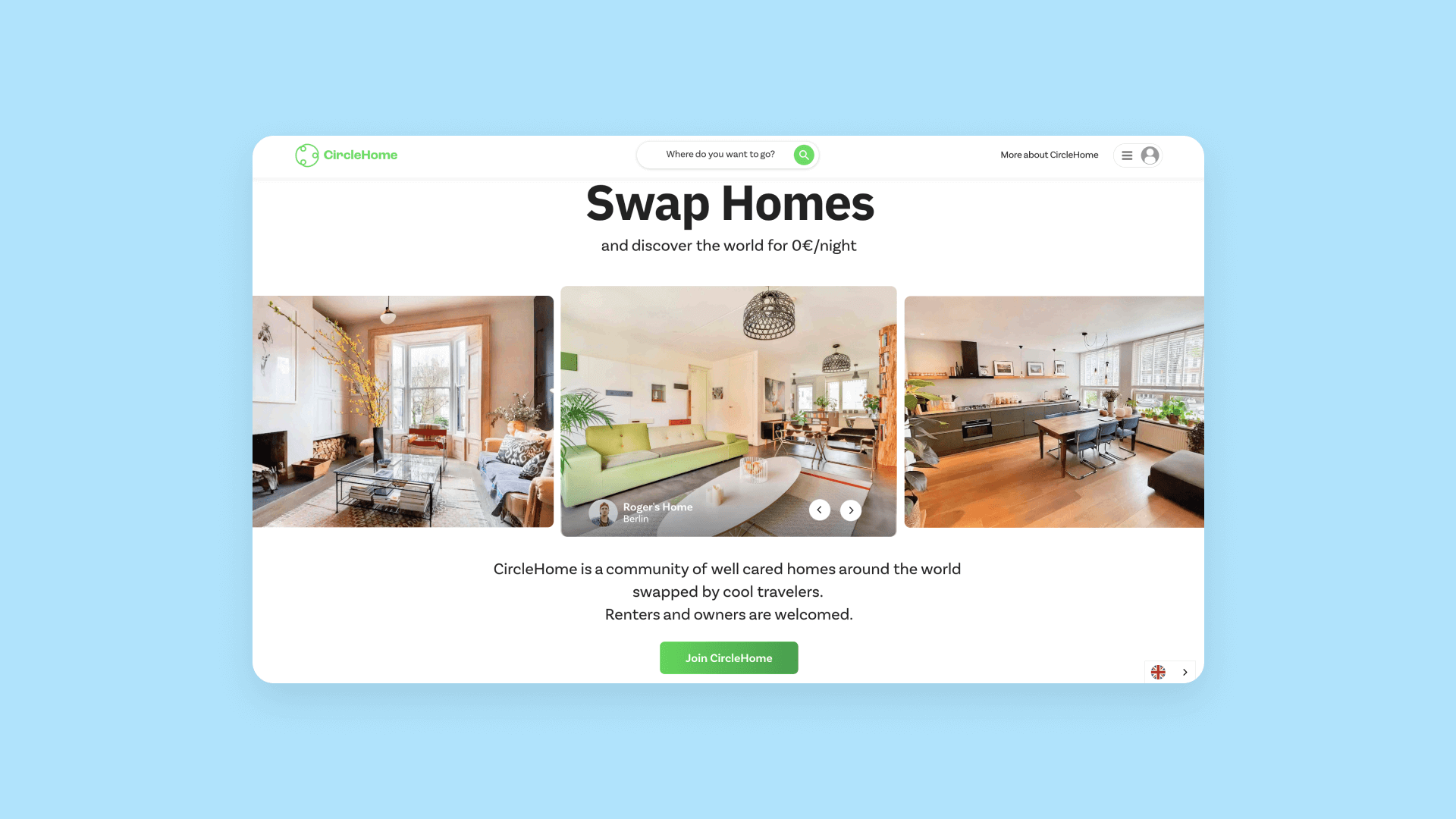
David Liria and Xavier Lloveras built CircleHome as a way to swap homes with other travelers, and found Bubble to be a simple, affordable way to build it.
Strong search functionality and user accounts let early users browse listings and add their own. Bubble also helped them create:
- Custom booking portals to deliver quotes and manage payments
- Flexible listings with backend support to manage requests
- Personalized recommendation engines and instant search
From there, CircleHome grew into an accelerator, a pre-seed funding round, and an expanding user base.
Job boards
Finding a new role can be hard, and LinkedIn isn’t always the best option. Industry-specific job boards can be a valuable resource for job seekers today.
On Bubble, you can build a searchable job database for any industry. Companies post listings, candidates apply directly, and everyone gets the account type they need.
Flexiple
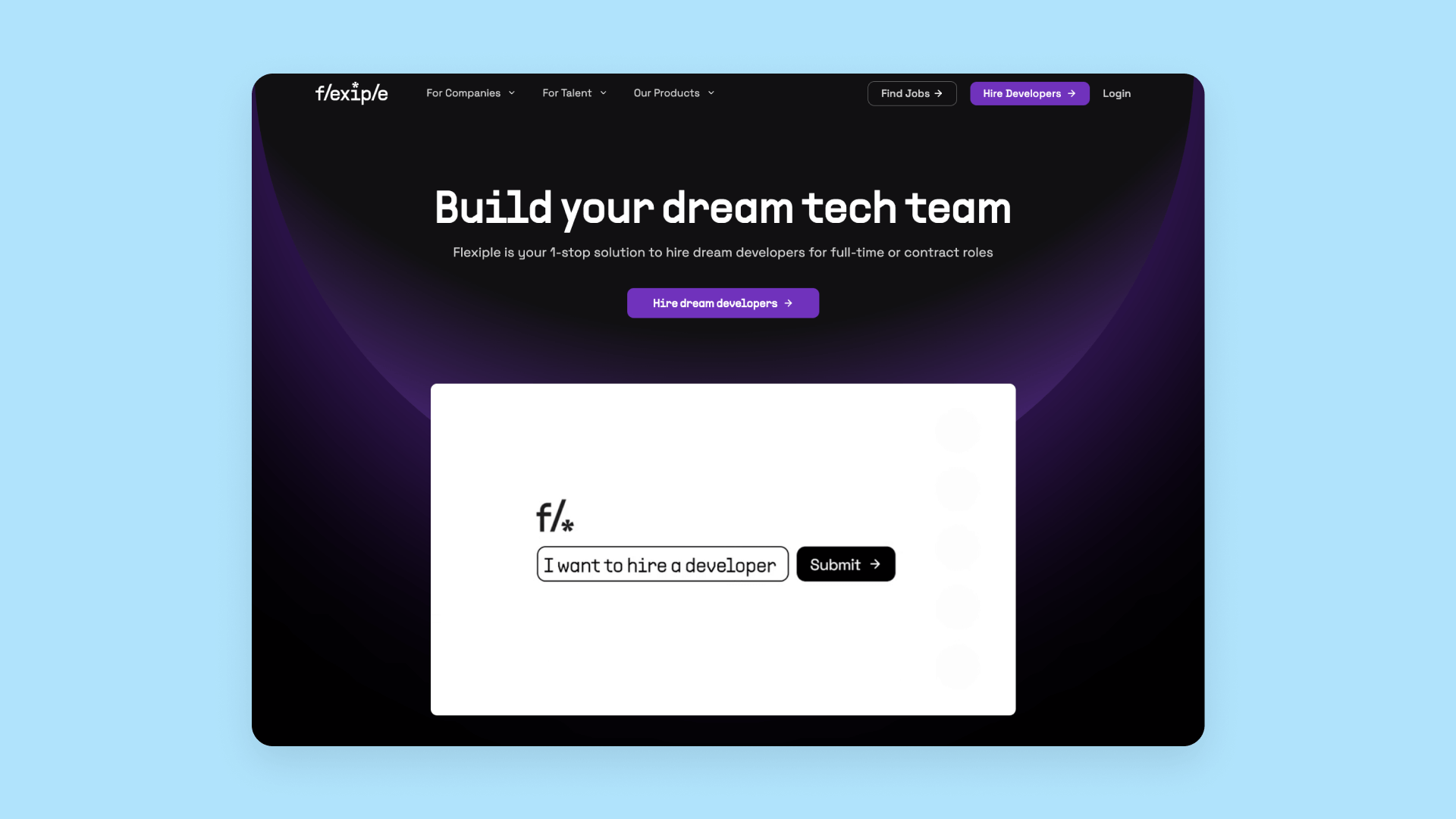
Flexiple matches vetted tech talent with companies that need to hire. After outgrowing a buggy multi-tool MVP, co-founder Karthik Sridharan switched to Bubble to build distinct experiences for different user types (job seekers, recruiters, and companies) without hiring a full engineering team.
“The level of empowerment Bubble gave me was great, and the speed with which we could build was so much quicker,” says Karthik. Flexiple has scaled to more than $3 million in annual revenue with only one Bubble Developer on staff.
Brands Meet Creators
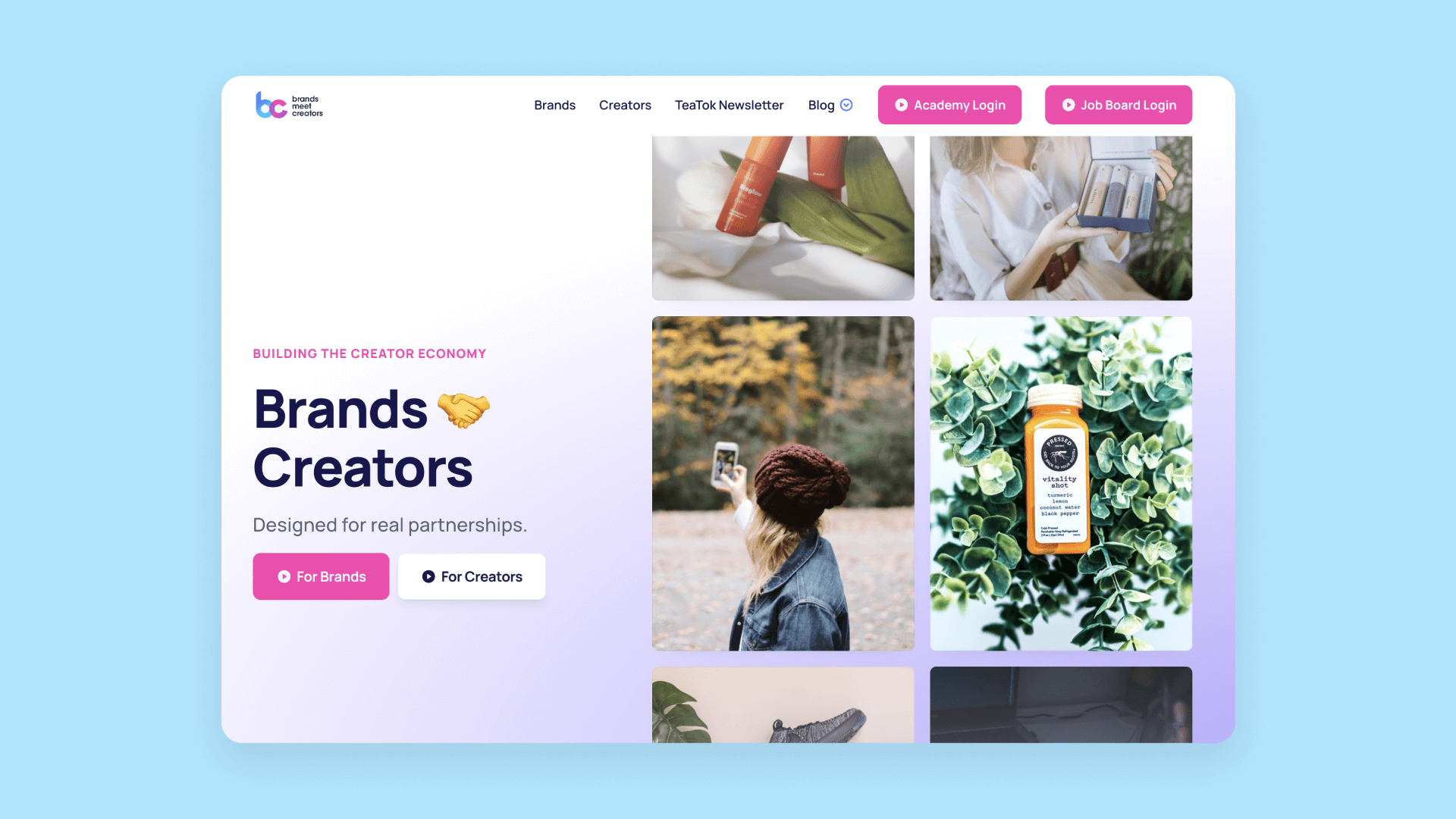
Brands Meet Creators works a little differently than a typical job board: brands post partnership and influencer marketing opportunities, and creators reach out directly if it’s a fit.
Brands can also browse creators by filter to find the right match for UGC or organic partnerships, all powered by Bubble’s customizable databases.
Community and review sites
Forums and online communities are some of the oldest kinds of web apps, and Bubble makes them easy to build without writing code. Add commenting, reviews, or “upvote” systems, then connect other tools in your tech stack to manage moderation and more.
For more complex integrations (like scheduling or video calls), the Bubble AI Agent can help set them up, explaining each step as it builds in front of you.
Deepwrk
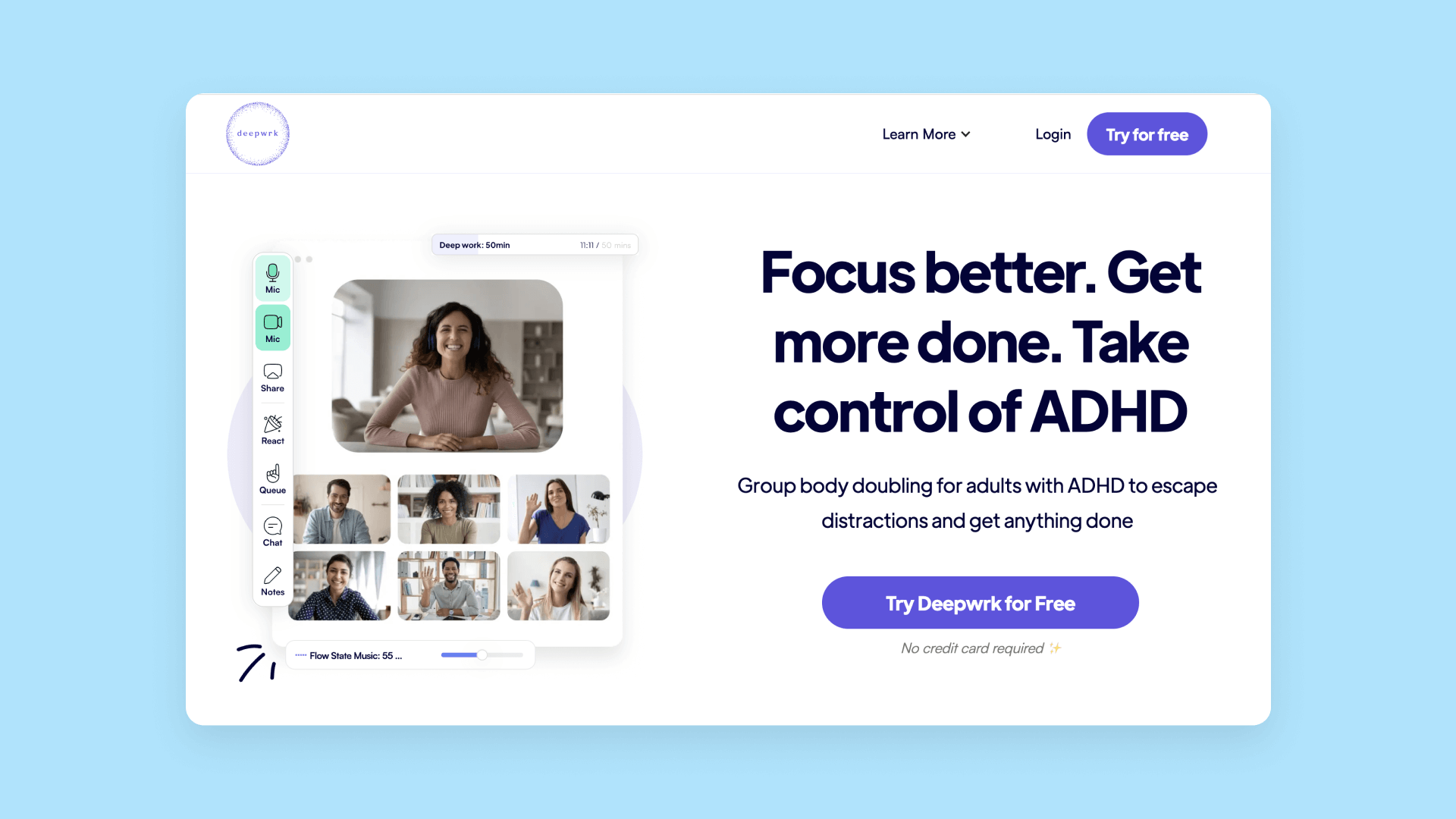
Deepwrk combines a community site with marketplace features and video conferencing. Users pair up for body doubling: they meet virtually, work on projects side-by-side for a set stretch of time, then earn rewards that gamify the experience, with a forum to stay accountable and share wins.
Social networks
Social networks live and die by their core features: profiles, feeds, messaging, and ways for members to connect with each other. You can build all of that visually with Bubble’s database and workflow tools.
Hampton
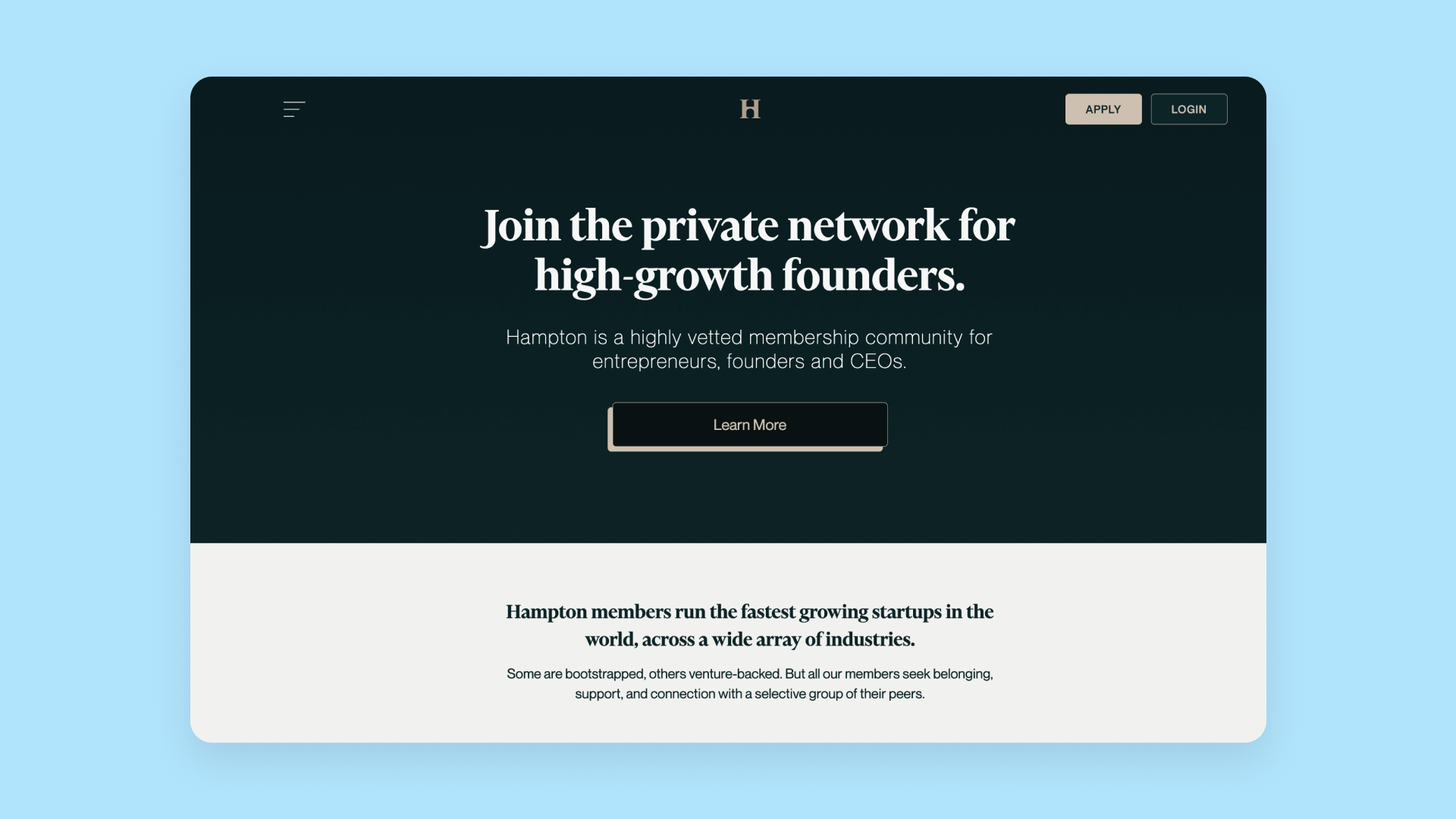
Hampton is a private, highly-vetted network for high-growth founders and CEOs. Co-founder Sam Parr built Hampton on Bubble to create the community he wanted to be a part of.
Nicheless
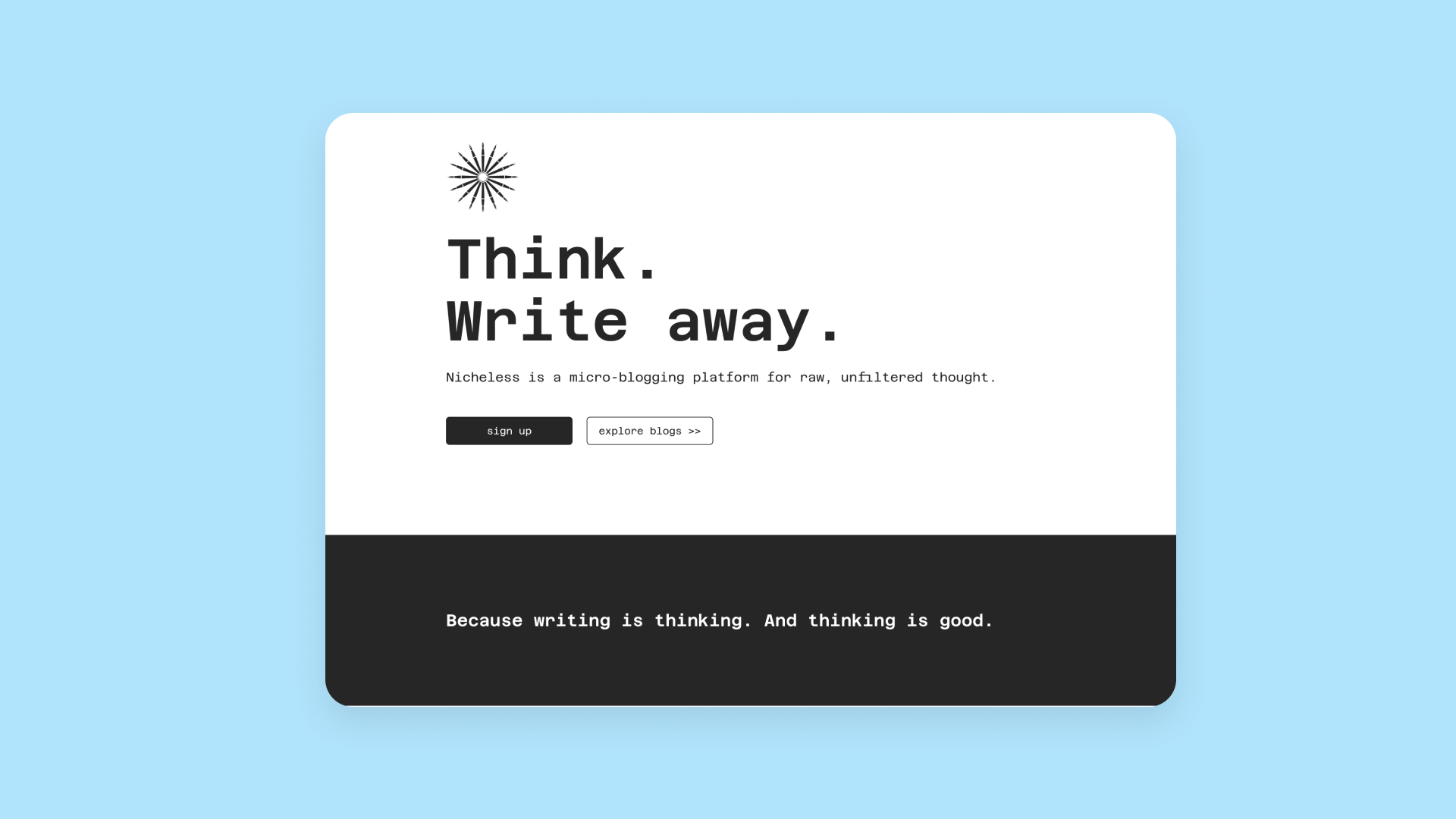
Nicheless is a micro-blogging site similar to Tumblr or Medium built on Bubble. Nicheless removes many of the status and growth-focused elements of writing online by hiding likes, comments, and subscribers, and instead provides a place where users can think “out loud,” be creative, and share thoughts on a wide variety of ideas.
Personal finance tools
Bubble’s API Connector can plug into external financial data APIs, and its databases let you sort and organize by whatever matters most, like currency or investment type. Just keep privacy, security, and compliance in mind for whatever you’re building.
Strabo
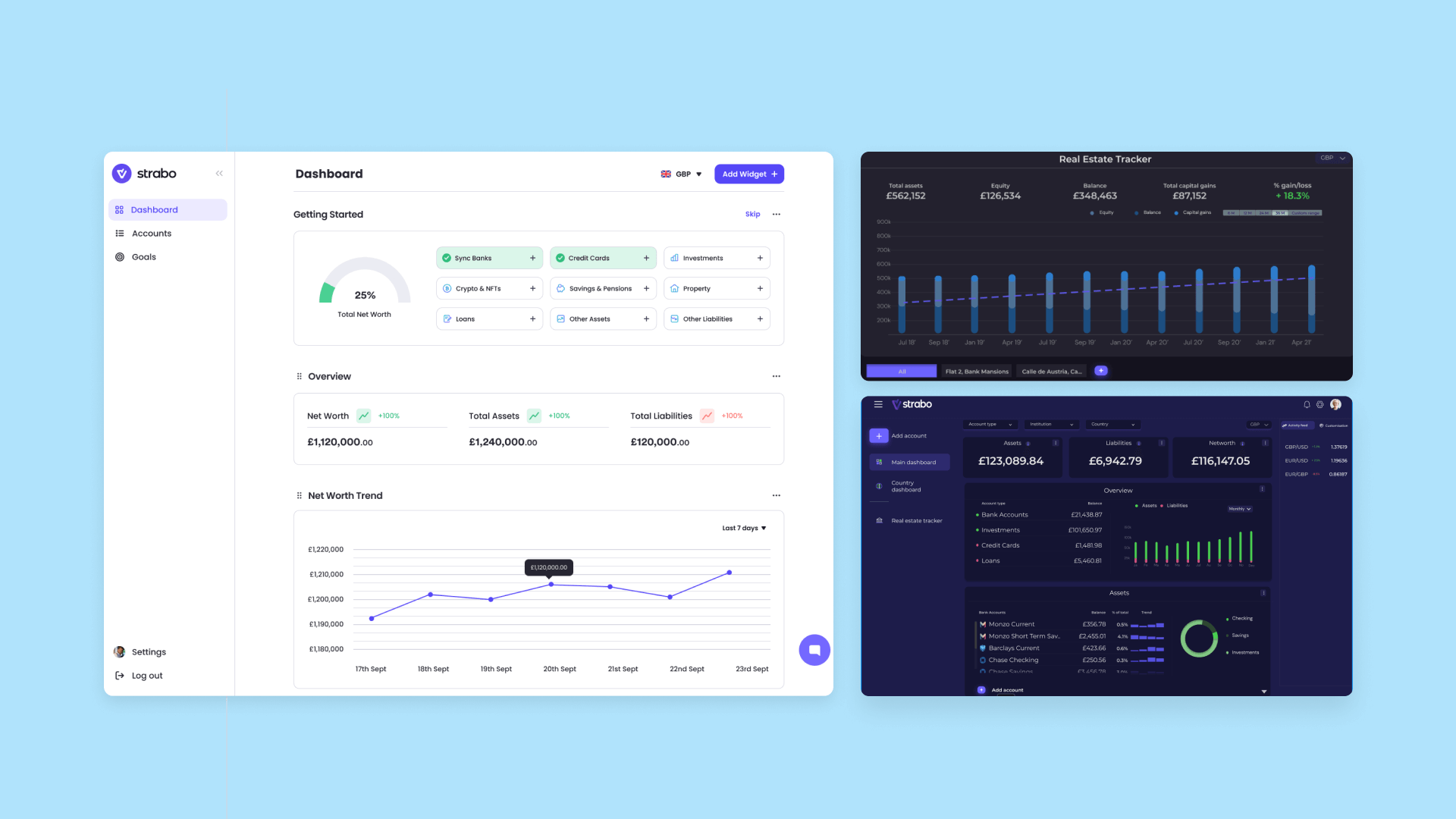
With Strabo, co-founders Michael Magdongon and Ben Waterman built the app they wanted to use themselves: a personal asset management tool built to handle international portfolios.
Bubble allowed them to build their app in less time, with fewer resources, while giving them the tools to build the specific features their users needed, like an at-a-glance view across an entire portfolio.
Educational tools
Most educational tools need to deliver content, track progress, and manage a few different types of users. Bubble’s database and workflow tools handle it all visually.
GoodCourse
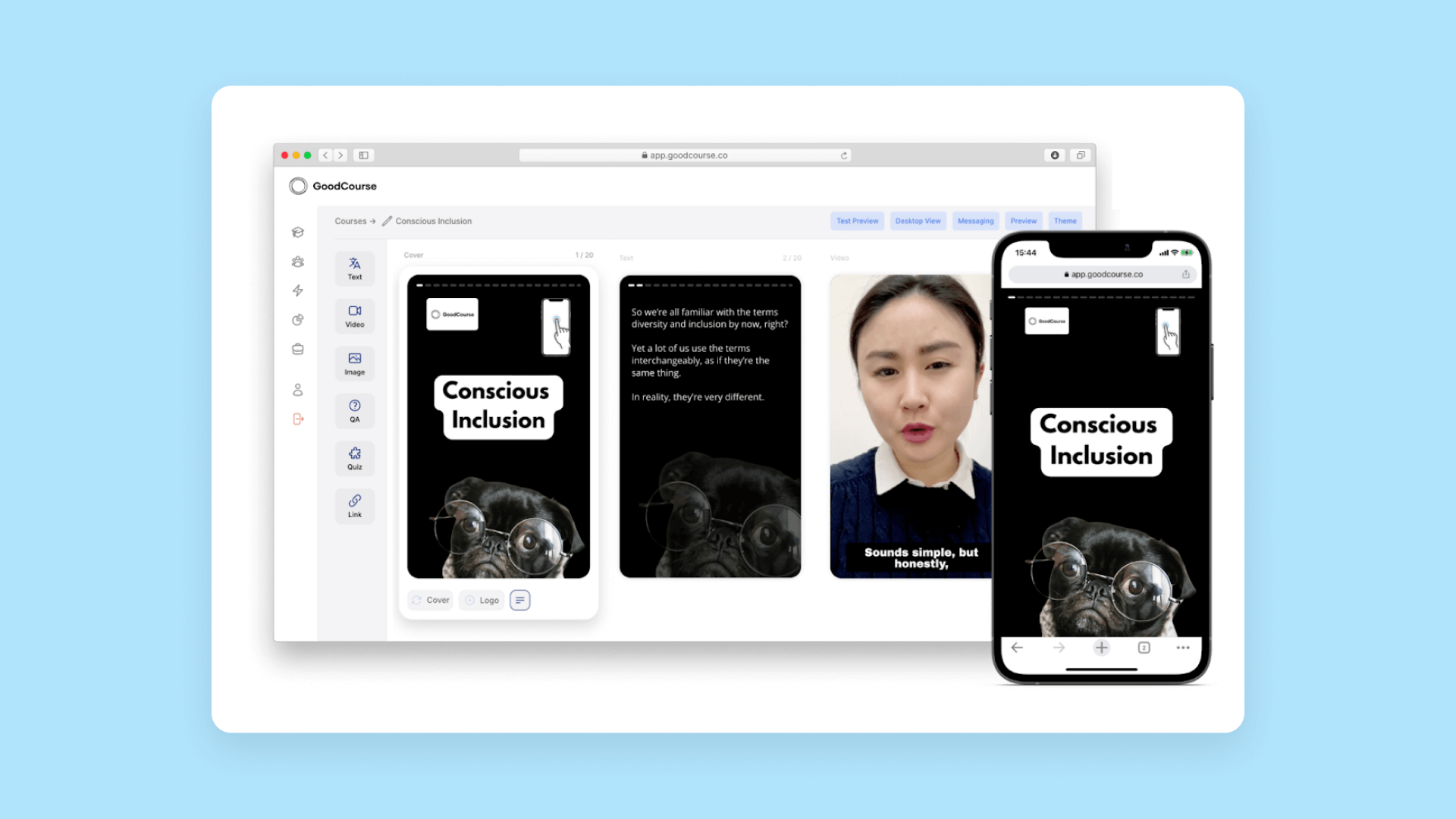
GoodCourse delivers compliance and business training in short, TikTok-style videos aimed at younger workers who’d otherwise tune out a standard course.
“Bubble was the only platform that could end-to-end host our web application rather than trying to stitch together multiple tools at once,” says co-founder Chris Mansfield. Using Bubble’s API Connector, builders can connect services like Twilio, Postmark, and credentialing tools such as Sertifier — and the Bubble AI Agent can help configure those API calls and explain the setup.
Internal management tools and dashboards
One of the best ways to get the exact tool your team needs is to build it yourself. Bubble’s step-by-step dashboard guide covers everything from building a user interface and setting up your databases to adding charts.
Seagate
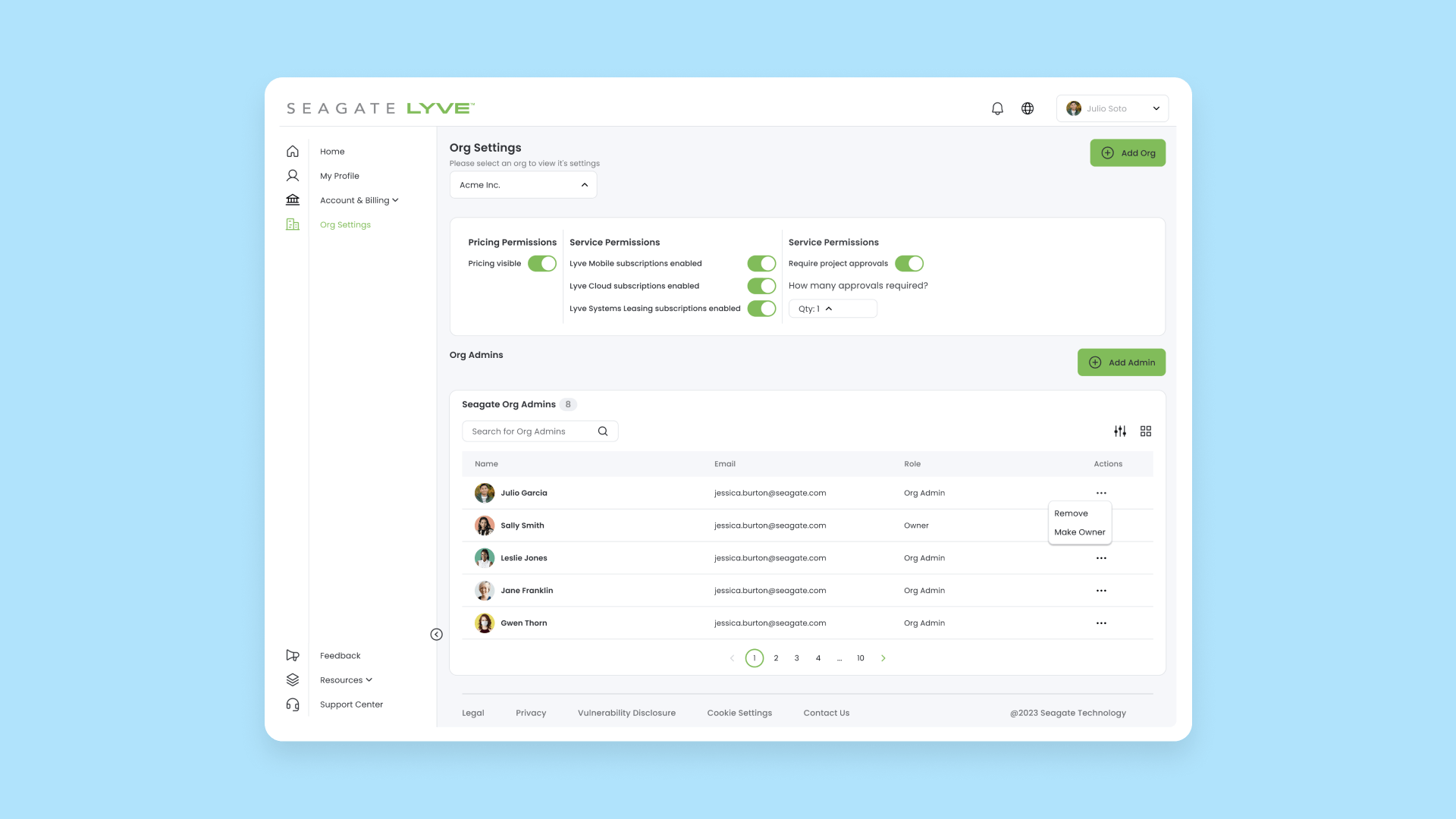
At Seagate, Product Manager and experienced Bubble Developer Michael Ong built a comprehensive internal tool called the “Admin Console.” It’s an internal hub containing a suite of micro-apps, all built on Bubble.
Through the console, Seagate manages everything from order fulfillment to customer support in one place, backed by enterprise security features like privacy rules, version control, SSO, SOC 2 Type II compliance, and a security dashboard.
Seagate also built a customer-facing portal on Bubble, where customers can place device orders, invite others to their subscription, and grant remote access via tokenized authentication.
CRMs
Bubble AI can help generate CRM-style database structures and data types, which you can then customize visually for your team’s workflows. Get started with the complete CRM guide, or follow the step-by-step guide to building a CRM like Salesforce on Bubble to replace per-seat CRM subscriptions that can cost over $100,000 annually.
Revetize
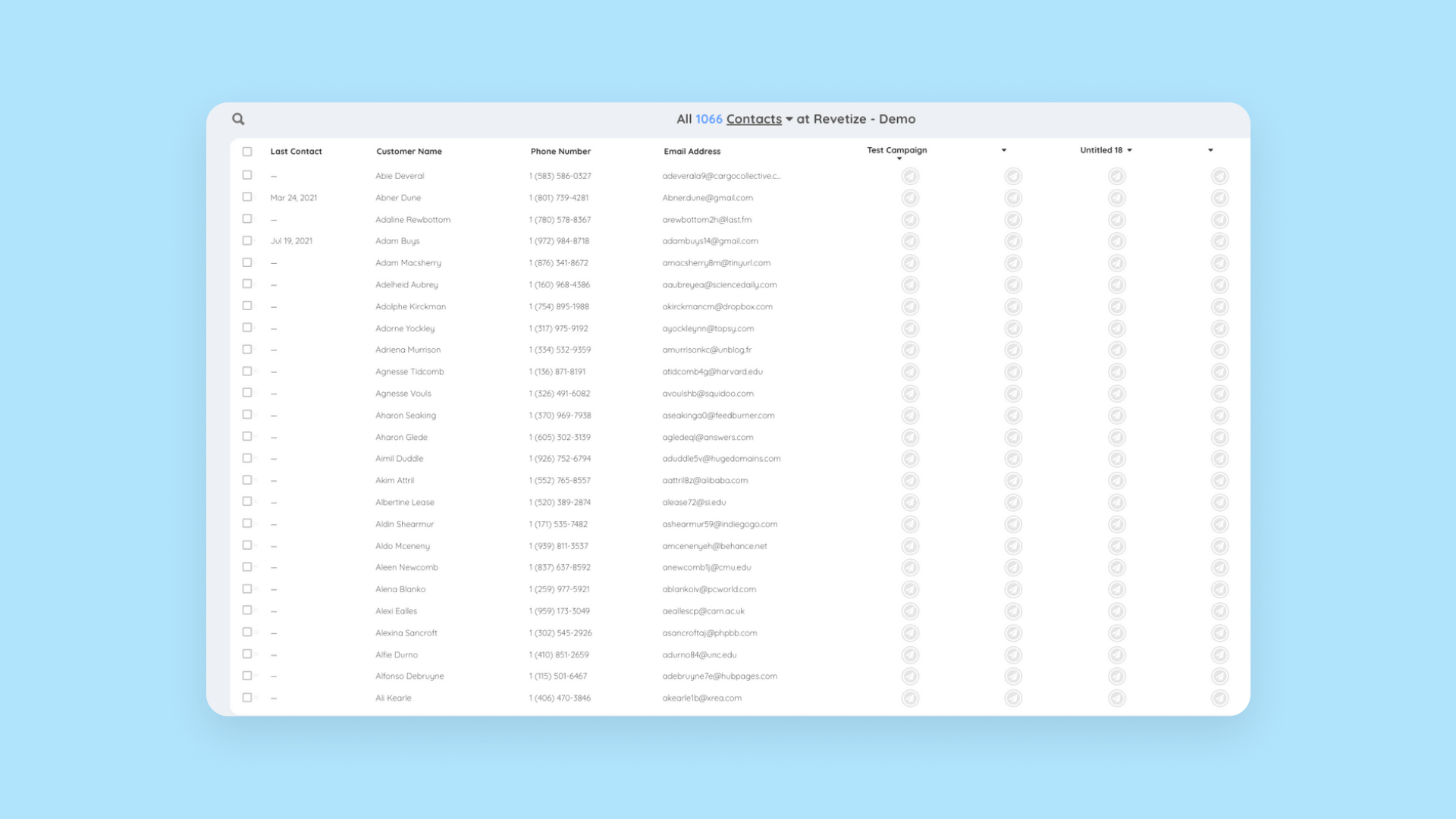
Revetize is a CRM that helps businesses run review, referral, and loyalty programs. With Revetize, clients can pull in customer data, automatically set up multi-channel drip and referral campaigns, and build all the landing pages, coupons, and URLs these campaigns need, creating a cohesive, all-in-one experience. Plus, real-time analytics and dashboards make it easy to see what’s working and what’s not.
Co-founder Richard Bitton came up with the idea while searching for something similar for his own company, then built, launched, and monetized it quickly on Bubble.
SaaS apps
SaaS (subscription software like Slack, Asana, Salesforce, and HubSpot) is a popular category for Bubble builders. Generate a working app with Bubble AI, then refine it visually, so you understand exactly what you’ve built instead of inheriting code you can’t read or maintain.
My AskAI
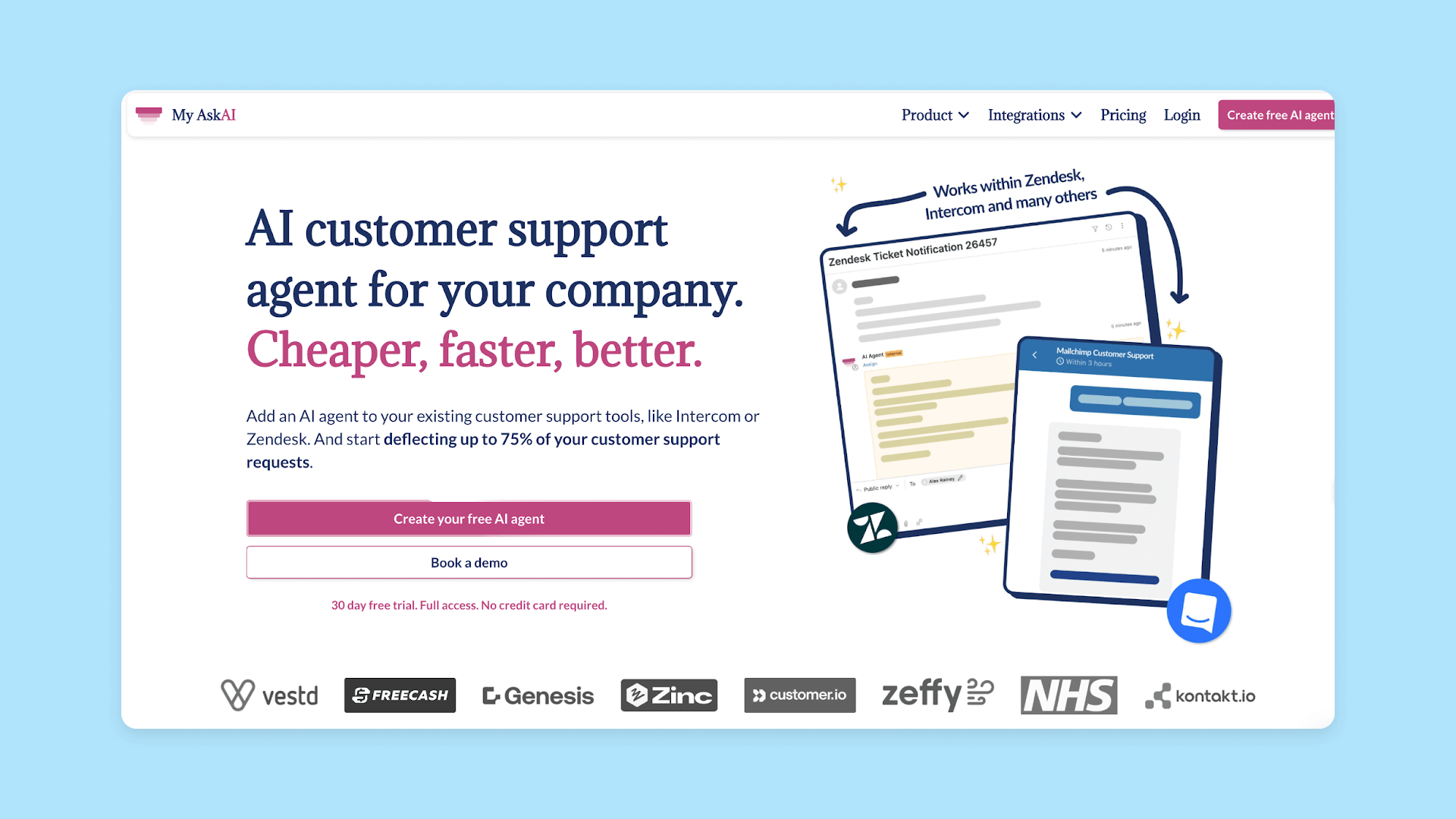
My AskAI helps businesses scale customer support without sacrificing quality. Teams can integrate with other tools in their tech stack like Slack, Microsoft Teams, and Zendesk, using AI to handle customer interactions directly.
Co-founder Alex Rainey had this advice for others considering visual development:
“Don’t listen to any of the negativity... the speed with which you can build on no-code and Bubble will completely set you apart from your competition and keep your costs super low,” he says. “I struggle to think of what you couldn’t build with a no-code builder like Bubble.”
Build your next app on Bubble
You’ve seen what other builders have made. Now it’s your turn. Generate your app’s foundation in minutes with Bubble AI, then shape every workflow, database rule, and UI element until it matches exactly what you had in mind. You can fine-tune your app with the Bubble AI Agent when you want speed, or with the visual editor when you want control.
The Agent teaches you Bubble while you build, or you can explore step-by-step guides, video tutorials, and the Bubble Forum for support.
Get started for free and see how fast you can move from idea to launch.
Frequently asked questions about no-code app examples
What is a no-code app?
A no-code app is a fully functional software application built using visual development platforms rather than traditional programming languages. Builders use drag-and-drop interfaces, visual workflows, and AI-powered generation to design interfaces, structure databases, and define logic — no coding required.
Can I really build a mobile app without code?
Yes. With Bubble, you can build native mobile apps for iOS and Android from the same editor. You can generate mobile app foundations with AI, share backend logic and data with your web app, and use Bubble’s mobile publishing flow to prepare and submit builds to the Apple App Store and Google Play Store, with developer accounts, testing, and app-store review still required.
How long does it take to build a no-code app?
Many builders launch their first version in weeks, not months. Bubble AI can generate an editable app foundation from a prompt, and visual editing lets you iterate far faster than traditional development.
What’s the difference between no-code and vibe coding?
Vibe coding relies entirely on chatting with AI to generate traditional code, which can leave you stuck with code you cannot read or maintain when the AI hits its limits. Visual development platforms like Bubble give you the speed of AI generation but replace the opaque code with visual workflows you can actually see, understand, and edit directly.
Do I need coding experience to build complex apps like these?
No, you do not. Bubble combines AI and visual editing so you can generate an app foundation with workflows and database structure, then refine complex logic, data, and privacy rules visually. You see exactly how your app works without ever reading or writing code.
Build for as long as you want on the Free plan. Only upgrade when you're ready to launch.
Join Bubble